

The kingdom of God is God’s sovereign rule, revealed through Jesus Christ, already at work today and awaiting complete fulfillment. It includes transformed lives now and the future renewal of creation.
I find that God’s reign is the clearest starting point because the phrase means more than heaven after death. Scripture connects that reign with a promised King, repentance, and hope.
Key Takeaways
- God’s kingdom centers on his authority and saving work through Jesus.
- It is already present, but its complete fulfillment awaits Christ’s return.
- Entering the kingdom involves repentance, faith, and new birth through the Holy Spirit.
The Kingdom of God Across Scripture
God’s rule and the promised King
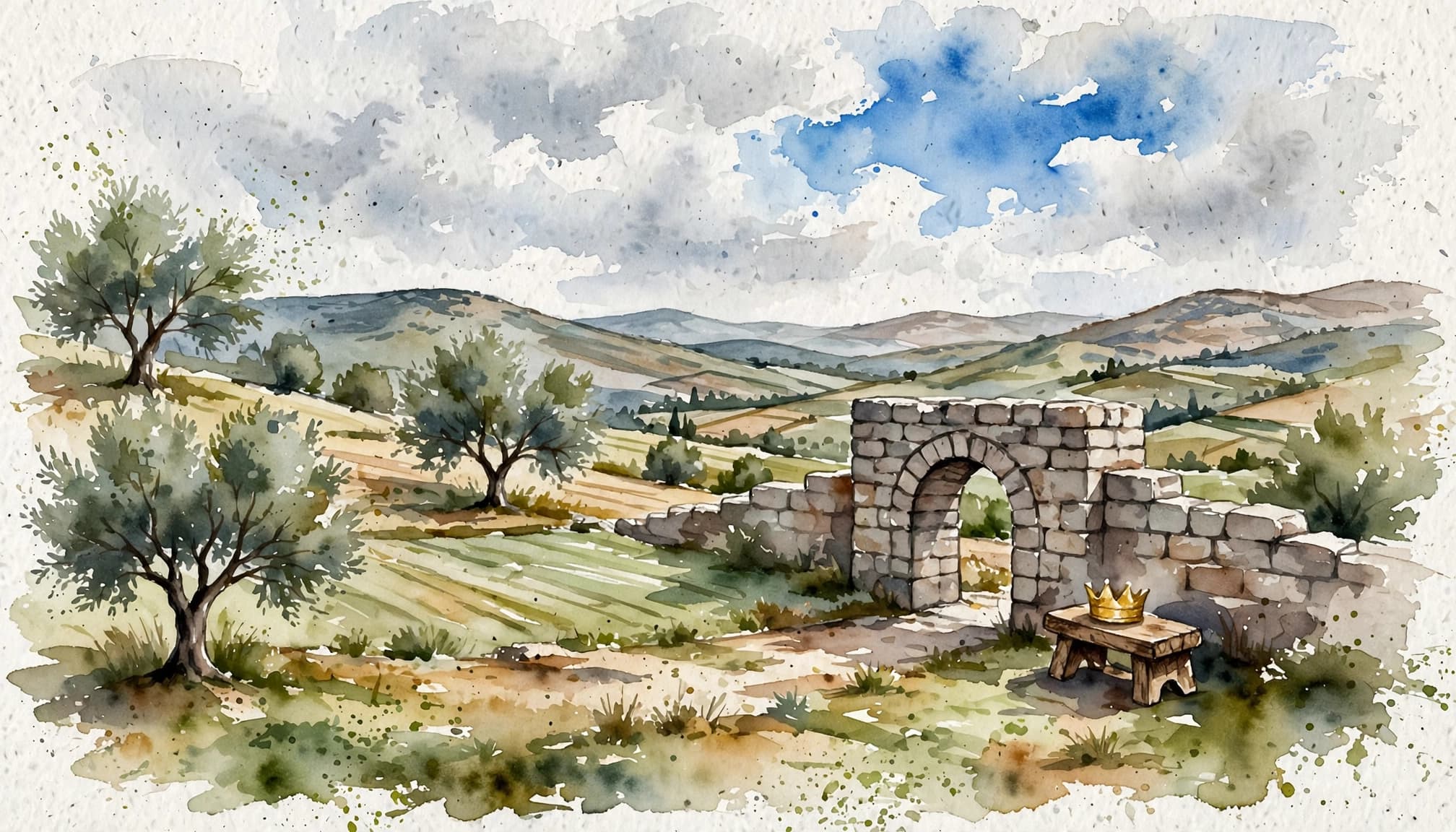
The Old Testament presents the kingship of God as universal rule over creation: Psalm 103:19 says he reigns over all. It also records God’s promise to David of an enduring dynasty (2 Samuel 7:12-16).
Isaiah 9:6-7 describes the coming ruler’s just, lasting government. Daniel 7:13-14 says one like a “Son of Man” receives everlasting dominion. These Old Testament promises explain Jesus’ identity as Messiah and Son of Man, the promised King whose spiritual rule confronts evil and establishes justice.
Jesus announces the good news
Jesus announced that the kingdom of God had drawn near and called people to repent and believe the good news (Mark 1:15). Through his teaching and works, Jesus made this good news visible in human history.
Across the Gospels, Desiring God counts 126 uses of “kingdom” in the ESV, including 55 in Matthew, compared with 34 elsewhere in the New Testament. The epistles continue this message through teaching about Christ’s lordship, salvation, and the believer’s future inheritance.
Kingdom of God or Kingdom of Heaven?
Matthew commonly uses “kingdom of heaven,” while Mark and Luke usually say “kingdom of God.” Both expressions generally describe God’s reign.
Chuck Missler, as quoted on Wikipedia, counts 33 uses of “kingdom of heaven” and five of “kingdom of God” in Matthew. Some interpreters distinguish the expressions. However, Matthew 19:23-24 uses both while discussing the same difficulty: a rich person entering the kingdom.
Bible Odyssey’s explanation of kingdom terminology explores these expressions. I read Matthew’s parallel wording as strong evidence that they usually refer to the same reality.
“Heaven” identifies the heavenly King’s authority. It doesn’t limit his kingdom to a place believers enter after death.
Already Present, Still Awaiting Fulfillment
The kingdom is present through Jesus
Jesus said that his casting out demons demonstrated the kingdom’s arrival (Luke 11:20). His works showed God’s authority overcoming evil.
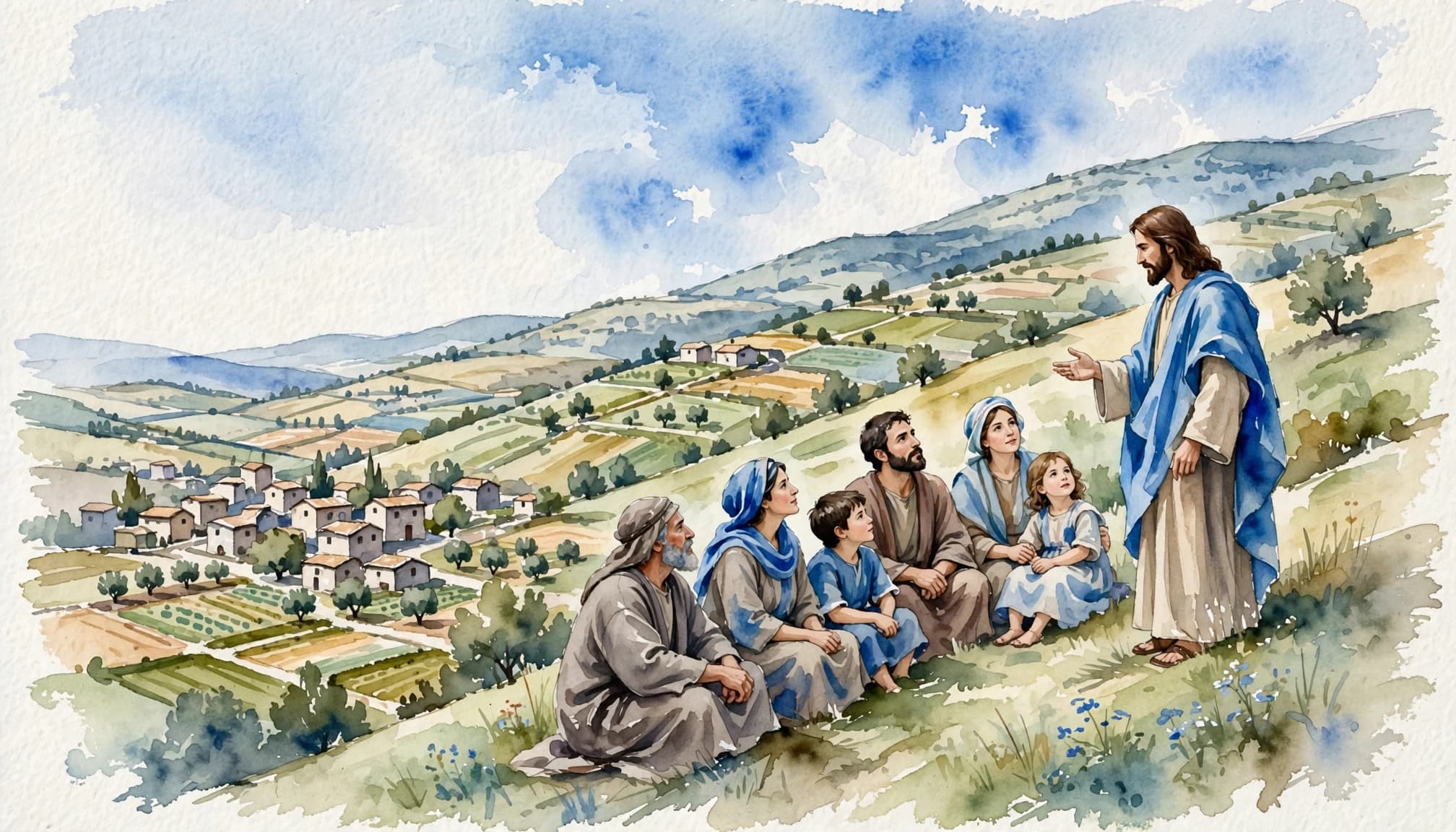
Luke 17:21 sometimes reads “within you” and sometimes “in your midst.” Because Jesus was addressing Pharisees, I understand “in your midst” as pointing to the King standing among them. The passage doesn’t teach that everyone naturally possesses God’s saving reign within.
The kingdom awaits its completion
Christians still pray for God’s kingdom to come (Matthew 6:10), because suffering and sin remain. Jesus will return, judge evil, and complete his reign through the renewal of heaven and earth (Revelation 21:1-4).
Christians differ about the sequence of end-time events. Nevertheless, the shared hope is clear: God’s victory will become fully visible. “Already and not yet” holds these truths together without pretending today’s world is already healed.
Entering the Kingdom and Living Under God’s Rule
Repentance, faith, and new birth
Jesus connects entry into the kingdom of God with new birth through the Spirit (John 3:3-5). Church attendance, family background, and good behavior cannot produce that spiritual life.
Repentance means turning from sin toward God. Faith means trusting that Jesus is Lord, crucified and risen, and that his death brings forgiveness. These responses belong together, but they don’t purchase salvation. God’s grace saves through faith, not your own goodness (Ephesians 2:8-9).
I encourage you to come honestly to Christ. You don’t need to repair your entire life before asking for mercy.
Daily choices show a changed allegiance
Kingdom living makes obedience visible. Zacchaeus demonstrated repentance by promising generosity and repayment after meeting Jesus (Luke 19:1-10). His response showed a changed heart.
For families and singles alike, that allegiance affects money, speech, relationships, and private habits. It can mean apologizing without excuses, correcting dishonest accounts, or refusing retaliation.
The Holy Spirit supports this continuing growth. Changed conduct is fruit, not the price of God’s welcome. Worship, prayer, and accountable church relationships help believers keep following Christ.
Frequently Asked Questions
Is the kingdom the same as the church?
The church is a community of people who belong to Christ and witness to his reign. Through worship, service, and gospel proclamation, it makes that allegiance visible. However, God’s kingdom exceeds any congregation or denomination, and church membership alone doesn’t establish saving faith.
Does the Bible teach seven keys to the kingdom?
Scripture doesn’t provide a universally defined list called “seven keys to the kingdom.” Jesus speaks of kingdom keys in Matthew 16:19, but that passage doesn’t present seven principles. I recommend grounding your understanding in Jesus’ teaching rather than treating faith as a formula.
Living Under the King’s Authority
The kingdom of God gives Christians both a present calling and a future hope. Christ calls you to trust him now while awaiting the day when his rule is fully revealed.
I encourage you to begin with honest faith and the next obedient step.
Read Acts 2:36-39 in the Amplified Bible, then reflect: How can I trust Christ today and take my next obedient step?
For prayer or help connecting with our church community, contact Praise Chapel or call Praise Chapel at (281) 338-6633.