

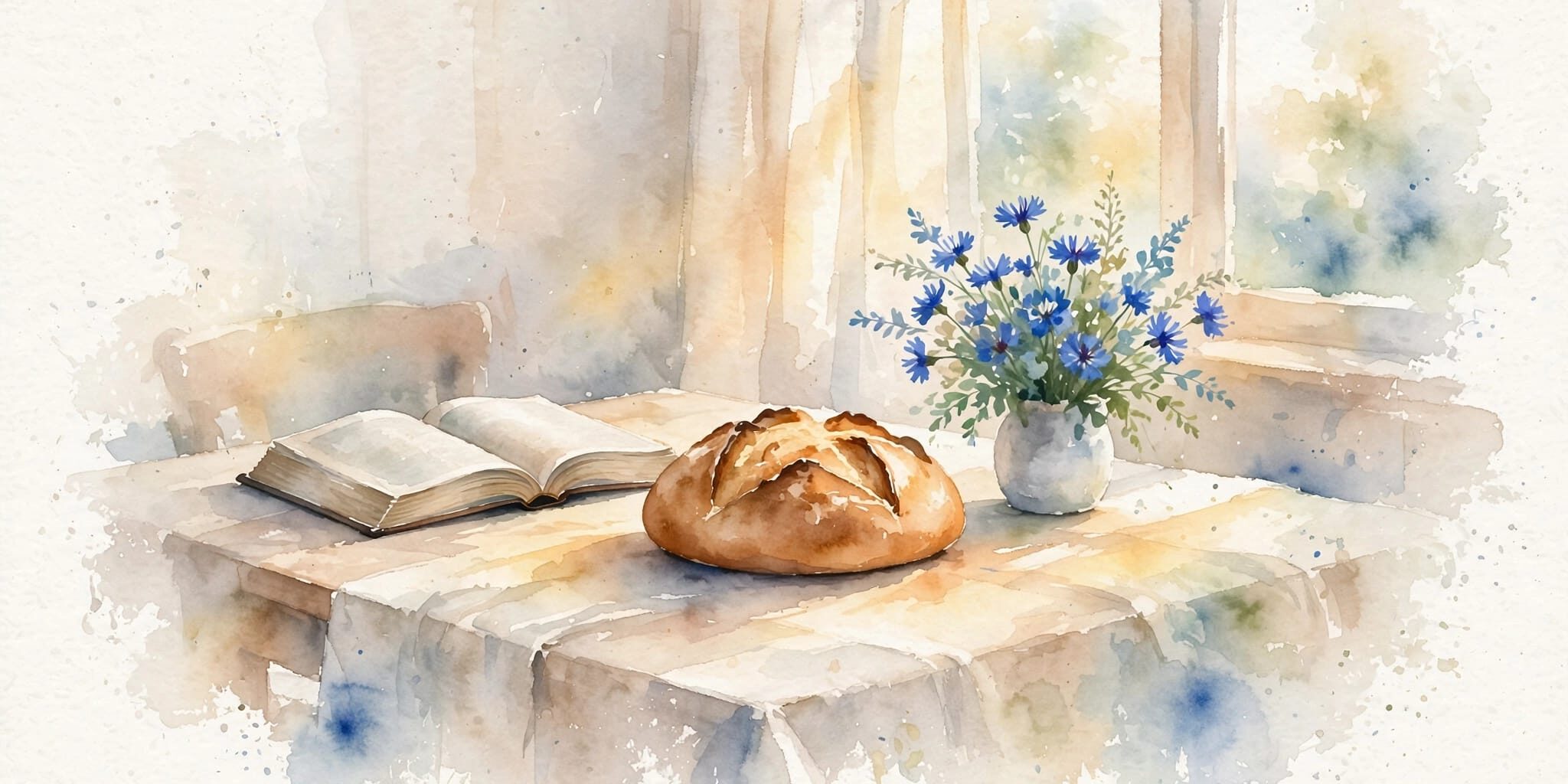
Sabbath rest means stopping ordinary work to receive God’s gift of renewal and turn your attention toward Him. I understand its biblical heart as trust in God expressed through a weekly pause.
For busy families and singles, that pause can feel difficult to protect. Scripture gives rest a foundation in creation, freedom, and Christ’s mercy.
Key Takeaways
- The weekly observance begins with God’s completed creation and becomes a command for Israel.
- Jesus shows that mercy and human need belong within Sabbath observance.
- A sustainable rhythm makes room for worship, relationships, and physical renewal.
Where Sabbath Rest Begins
Creation and the Fourth Commandment
The Hebrew word shabbat means to cease or stop working. It conveys rest or stillness, though “sit still” is a loose description rather than its central meaning.
In Genesis 2:2-3, God finishes creation, rests on the seventh day, and blesses and sets it apart as holy. God’s rest expresses completion, not recovery from exhaustion.
Exodus 20:8-11 makes this pattern part of the Ten Commandments: six days of labor followed by a Sabbath day without work. The protection includes sons, daughters, servants, livestock, and foreigners. Rest extends beyond whoever controls the household schedule.
Freedom and God’s Provision
Deuteronomy 5:12-15 links the Sabbath with freedom from slavery in Egypt and makes this remembrance part of Israel’s covenant. Former slaves must allow others to rest, too.
That pattern reaches into economic life. Leviticus 25 gives the land a Sabbath every seventh year. Similarly, Exodus 21:2 describes release for Hebrew servants after six years of service.
I see a shared lesson: neither people nor land exist for endless production. Walter Brueggemann describes Sabbath as visible testimony that God occupies life’s center. Stopping work acknowledges His provision without dismissing responsible preparation.
How Jesus Explains Sabbath Rest
Mercy Belongs Within the Day
Jesus says in Mark 2:27, “The Sabbath was made for man, and not man for the Sabbath.”
Luke 6:1-5 records His defense of disciples who pluck grain on the Sabbath. In Luke 13:10-17, He heals a woman bent over for eighteen years. Jesus points to the care people already give animals and argues for her release from suffering.
I read these encounters as a warning against rules that neglect people. Feeding someone, caring for a child, and helping a sick neighbor fit the day’s merciful purpose.
Rest Finds Its Fulfillment in Christ
Colossians 2:16-17 warns against judgment over observance of the day. Paul describes these observances as a shadow, with their substance belonging to Christ.
The Sabbath command is among the Ten Commandments given to Israel, but Christians interpret its continuing application differently. Some maintain seventh-day observance; others emphasize fulfillment in Jesus and freedom concerning the Sabbath day.
Meanwhile, Matthew 11:28-30 invites weary people to receive rest through Jesus and learn from Him. I connect that invitation with release from trying to earn God’s acceptance. A carefully managed rest day cannot purchase grace.
Saturday, Sunday, and Friday Are Different Observances
Jewish Shabbat observance begins Friday before sunset and ends Saturday after nightfall. Most Christians gather on the first day of the week to celebrate Christ’s resurrection, while some also connect Sunday rest with creation.
Islam centers Friday on Jumu’ah, congregational prayer. It isn’t simply an Islamic version of the biblical Sabbath or necessarily a full day without work.
For Christian practice, Letitia Suk emphasizes that a restful day needn’t be that day. Susan K. Stewart also distinguishes stopping work from worship. I encourage both: attending a service matters, but a crowded Sunday can still leave little room to rest.
For a brief reading in the Amplified Bible (AMP), consider Acts 20:7. It recounts believers gathering on the first day of the week. This offers a snapshot of early Christian practice, not a universal resolution of differing Sabbath interpretations.
Building a Realistic Rhythm of Rest

I recommend choosing a repeatable pattern before designing an ambitious schedule. Gordon MacDonald connects growing wants with pressure to produce more income and accept less rest. Naming what drives your workload helps you choose meaningful boundaries.
- Prepare beforehand. Choose your rest period, arrange essential meals, and communicate boundaries around work messages. Share preparation so one household member doesn’t carry everyone else’s rest.
- Set aside ordinary work. Pause paid tasks and routine administration where possible. Begin with Scripture and honest prayer, then allow unhurried space for a walk, a shared meal, or sleep.
- Make the rhythm sustainable. If a full day currently feels unreachable, begin with half an hour weekly. Extend toward an hour, half a day, and eventually a full day.
During demanding workdays, a 15-minute break without phones or email can support prayerful attention. A 20-minute nap may also help when circumstances allow.
For families, reading a Psalm together gives rest a shared focus. If you live alone, consider inviting a trusted friend to eat with you.
Shift workers can protect another available day. Parents and caregivers still meet essential needs; arranging help can create genuine space to stop. I treat these practical steps as guardrails rather than another performance standard.
Frequently Asked Questions
What Activities Are Prohibited on the Sabbath?
Exodus prohibits work. Jewish tradition defines prohibited categories of labor, while Christian applications differ. I recommend identifying your ordinary work before setting boundaries, rather than assuming every enjoyable activity is forbidden.
Can Short Breaks Replace a Weekly Sabbath?
Brief pauses support prayer and renewal, but they aren’t equivalent to the biblical day of rest. They can help you begin protecting a larger weekly rhythm.
Receive Rest Without Turning It Into Pressure
This practice invites you to acknowledge your limits and receive God’s care. I encourage a rhythm that protects mercy and trust without measuring your worth by productivity.
What boundary could help you receive God’s care this week? God, help me receive Your care with gratitude.
For prayer or help connecting with our church community, contact Praise Chapel or call Praise Chapel at (281) 338-6633. You don’t have to build a faithful rhythm alone.