


Within Christianity, the Ten Commandments show how love for God and neighbor shapes everyday choices. I read them through Jesus’ teaching and the gospel of grace: obedience responds to God’s mercy rather than purchasing His acceptance.
Their meaning reaches into your work, relationships, worship, and private desires. Understanding their original setting helps you apply them faithfully without confusing Christian discipleship with earning salvation.
Key Takeaways
- God gave the commandments to the Israelites after He rescued them from slavery.
- Jesus connects their moral teaching with wholehearted love for God and love for your neighbor.
- Christians interpret some applications differently, especially Sabbath observance, while recognizing their continuing importance for faithful living.
Where the Ten Commandments Come From
The 10 Commandments appear in Exodus 20:1-17 and Deuteronomy 5:6-21. According to the biblical account, God gave them to Moses at Mount Sinai after rescuing the Israelites from slavery in Egypt.
They are also called the Decalogue. That name comes from Greek words meaning “ten words,” corresponding to their Hebrew designation, the “Ten Words.” Britannica’s explanation of the Ten Commandments and their biblical setting places them within Israel’s covenant relationship with God.

Before issuing commands, God identifies Himself as the Israelites’ deliverer. I consider that order essential: rescue comes before the instructions for life as a rescued people.
The commandments traditionally describe duties toward God and duties toward neighbors. Together, they protect worship, human dignity, and community life.
Why Biblical Versions and Numbering Differ
Exodus and Deuteronomy present substantially the same commandments, but their wording and emphases vary.
The Sabbath command shows the distinction clearly.
| Passage | Main emphasis |
|---|---|
| Exodus 20:8-11 | Rest follows God’s pattern in creation. |
| Deuteronomy 5:12-15 | Rest recalls freedom from Egyptian slavery and extends to servants. |
| Exodus 34 | Covenant renewal includes instructions about worship, festivals, and loyalty to God. |
These passages require attention to their settings. In Exodus 34, Moses prepared new stone tablets for covenant renewal and received further instructions about worship, festivals, and loyalty to God.
The Biblical Archaeology Society discusses these textual questions in its examination of Israel’s Ten Commandments.
Jewish, Catholic, and Protestant traditions also group and number the 10 Commandments differently. Their teaching summaries can therefore look different without requiring entirely different biblical texts.
Commandments 1 and 2: Give God Your Loyalty
1. “You shall have no other gods before me.”
The first commandment requires exclusive loyalty to the one true God. Israel couldn’t worship the Lord while treating other deities as equal sources of protection or blessing.
For Christians, this also challenges whatever receives ultimate trust. Money, approval, political allegiance, or personal success can become controlling loyalties.
I ask whether a desire leads me to disobey God. That question exposes the difference between enjoying something good and allowing it to govern my life.
2. “You shall not make for yourself a carved image.”
The phrase “graven image” is an older rendering of this command. It forbids making images for worship and bowing down to them. It rejects attempts to reduce God to an object people can manufacture or control.
Christians differ over religious images, but the prohibition against idolatry remains clear. Ordinary artwork isn’t automatically an idol; the biblical concern includes worship and misplaced devotion.
I also take this as a warning against reshaping God into someone who always approves my preferences.
Commandments 3 and 4: Honor God’s Name and Rest
3. “You shall not take the name of the LORD your God in vain.”
God’s name deserves reverence. Flippant speech and false oaths take God’s name in vain.
The command reaches beyond avoiding certain expressions. Claiming “God told me” to pressure someone also uses God’s name in vain.
I want my words about God to match His character. That means speaking carefully and refusing to dress personal demands in religious language.
4. “Remember the Sabbath day, to keep it holy.”
Exodus connects Sabbath rest with God’s completed creation. Deuteronomy connects it with freedom from slavery.
The protection includes children, servants, livestock, and foreigners. Those who control household schedules must allow others to rest too.
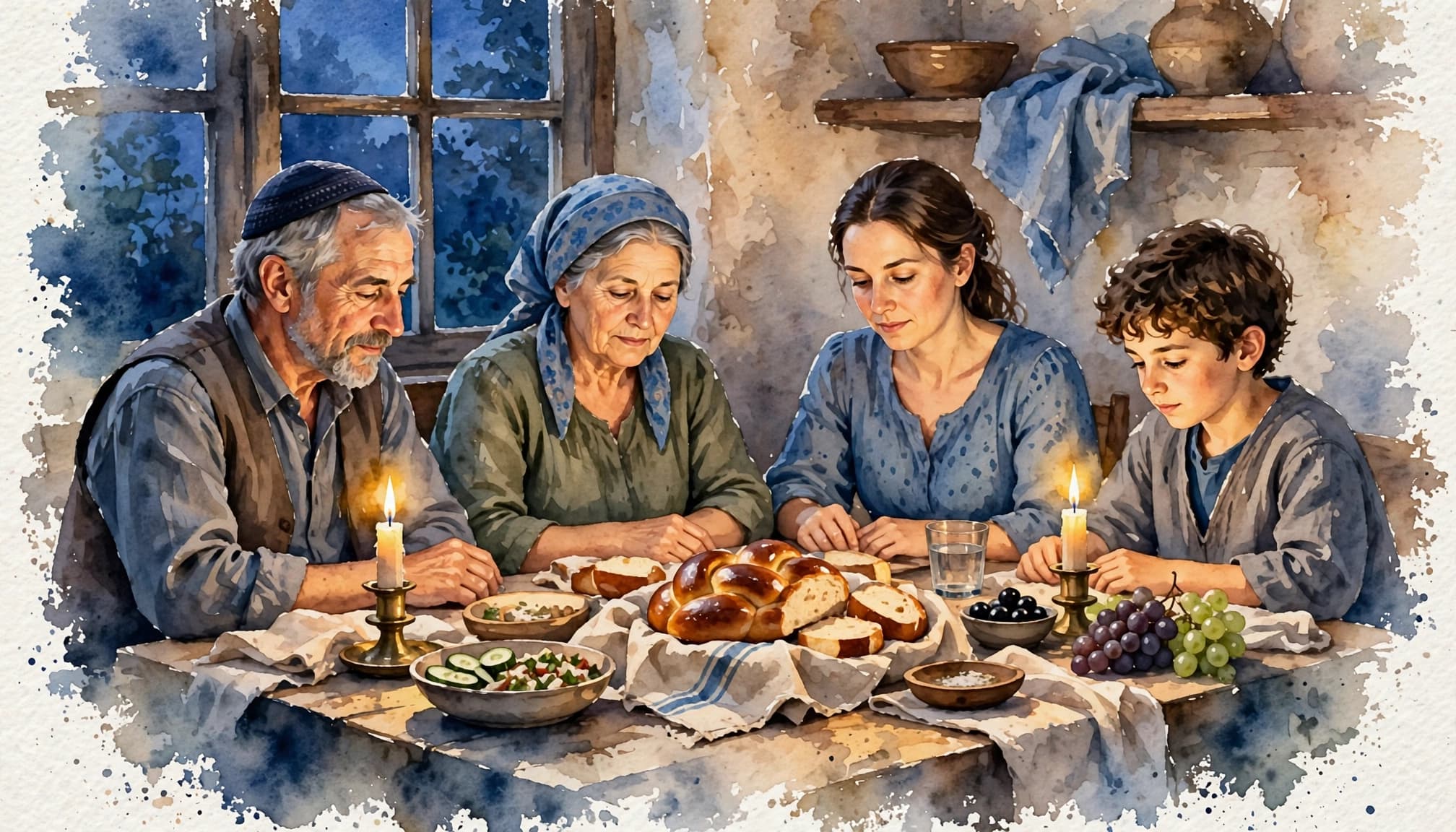
Jewish Shabbat begins Friday at sunset and continues through Saturday night. Traditional observance restricts work, including cooking and certain cleaning tasks.
Most Christians gather on Sunday, the Lord’s Day, while some observe Saturday. Colossians 2:16-17 cautions against judging believers over Sabbath observance.
I encourage a rhythm of worship and renewal that takes other people’s needs seriously. Jesus’ teaching makes room for mercy, including care for someone who is sick. Rest shouldn’t depend on leaving someone else exhausted.
Commandments 5 and 6: Honor Family and Protect Life
5. “Honor your father and your mother.”
Honoring parents includes respectful speech, gratitude, and appropriate care. Children learn this through listening and cooperation; adults practice it through responsible relationships and concern for aging parents.
The principle also supports respectful treatment of guardians and elders. However, honoring someone doesn’t mean approving wrongdoing or remaining in danger.
I wouldn’t use this command to silence someone experiencing abuse. Respect can coexist with firm boundaries and seeking help.
6. “You shall not murder.”
The Hebrew verb concerns unlawful killing, commonly translated “murder.” The older wording, “Thou shalt not kill,” can obscure that distinction.
The command protects human life. In Matthew 5:21-24, Jesus also addresses anger, contempt, and broken relationships.
For daily discipleship, I see a call to reject dehumanizing speech and pursue reconciliation where possible. Protecting life involves how you treat vulnerable people, not merely refraining from physical violence.
Commandments 7 and 8: Practice Faithfulness and Honesty
7. “You shall not commit adultery.”
Adultery violates marriage’s covenant faithfulness. The command protects spouses and the trust on which family life depends.
Jesus addresses the heart as well as outward behavior in Matthew 5:27-28. Deliberately nurturing lust works against faithful love.
I encourage boundaries that support honesty rather than secrecy. For married believers, that includes faithful choices online and in private relationships. For singles, sexual integrity matters too, but marriage isn’t the measure of spiritual maturity or personal worth.
8. “You shall not steal.”
Older translations phrase it, “Thou shalt not steal.” Stealing takes what belongs to someone else without a rightful claim. Its everyday forms include shoplifting, fraud, and knowingly keeping money that isn’t yours.
This command also challenges dishonest business practices and withholding what you owe.
Ephesians 4:28 connects leaving theft behind with honest work and generosity. I appreciate that positive direction: Christian integrity includes using your resources to help others, as well as respecting their property.
Commandments 9 and 10: Guard Truth and Desire
9. “You shall not bear false witness against your neighbor.”
The original setting concerns testimony that can damage another person’s standing or threaten justice.
Its moral reach includes spreading false accusations, manipulating facts, and repeating rumors. Online, sharing an allegation without caring whether it’s true can cause real harm.
I try to distinguish what I know from what I suspect. Truthfulness also requires humility: when you’ve misrepresented someone, correcting the record matters more than protecting your pride.
10. “You shall not covet.”
Coveting means allowing desire for what belongs to another person to become grasping or consuming. The biblical command names a neighbor’s household, relationships, and possessions.
It addresses the inner desires that can produce outward wrongdoing. Admiring someone’s home differs from resenting their happiness or scheming to take what they have.
I see gratitude and generosity as practical responses. Both help redirect attention away from comparison and toward faithful care for what God has entrusted to you.
How Jesus Guides Christian Obedience
Jesus summarizes the law through love for God and love for neighbor in Matthew 22:37-40. Love gives these commandments their direction; it doesn’t make honesty, fidelity, or reverence optional. Some Christian traditions connect these moral principles to natural law, the moral knowledge people can access through reason.
BibleProject describes the commandments as instructions for a rescued people. That covenant setting helps explain why I resist treating them as a ladder to salvation.
Ephesians 2:8-10 teaches salvation by grace through faith and then describes believers as created for good works. Likewise, Hebrews 8:10-12 joins God’s promise of inward transformation with His mercy toward sin.
The commandments expose wrongdoing, but Christian obedience depends on the forgiveness and renewal God gives through Christ.
Jesus also shows how obedience serves people. In Luke 13:10-17, He heals a woman who had suffered for eighteen years rather than allowing Sabbath objections to block mercy. As a companion reading, Acts 2:42-47 in the Amplified Bible connects the early believers’ devotion and generosity with love for neighbor.
When I recognize sin, my response should include confession and change. That may mean returning stolen money, correcting a lie, or seeking help with destructive anger. Grace gives grounds for repentance and hope.
Questions About Applying the Commandments
How can families teach them without creating fear?
Begin with God’s rescue and love, then explain each command in language children understand. Discuss truthfulness, respect, and gratitude through ordinary household situations.
I encourage adults to model repentance too. A parent who admits wrongdoing and asks forgiveness shows that God’s commands apply to everyone. Children need to hear both that sin matters and that forgiveness through Jesus is real.
How can they guide decisions without a direct biblical rule?
The commandments provide moral boundaries even when Scripture doesn’t name your exact situation. Ask whether a choice requires deception, disloyalty, theft, or neglect of a clear responsibility.
Then examine your motives. I find it helpful to distinguish genuine need from envy or the desire for approval. When several options honor biblical values, prayer and wise counsel can help you make a responsible choice.
Let God’s Mercy Shape Your Next Step
The Ten Commandments make love concrete through worship, truthful speech, faithful relationships, and respect for others. I return to them as a guide for responding to God’s mercy, with Jesus at the center.
After reading Acts 2:42-47, reflect or pray: What’s one concrete way to show love for God or your neighbor today?
If you’d like prayer or support as you grow in faith, call Praise Chapel at (281) 338-6633 or contact our church team.