


Christian fellowship becomes real when people know your name, pray with you, and help you follow Jesus on an ordinary Tuesday. I’ve found that faith weakens when I keep every struggle private, even if I still watch a service or read Scripture alone.
The Bible presents biblical fellowship, or koinonia, as shared life in Christ, far more than friendly conversation after worship. Christian fellowship takes shape through biblical principles of truth, prayer, encouragement, repentance, and service.
Key Takeaways
- Christian fellowship centers on Jesus and His Word, not merely shared interests or social events.
- Acts 2:42 names teaching, fellowship, breaking bread, and prayer as regular practices of the early church.
- Consistent church community gives families and singles space to receive care, offer support, and pursue spiritual growth.
- Honest relationships need grace, wisdom, and appropriate boundaries.
What Christian Fellowship Means in Scripture
The early church did not treat fellowship as an optional extra. Bible reading: In the Amplified Bible, Acts 2:42-47 shows believers devoted to the apostles’ teaching, fellowship, breaking of bread, and prayers. These biblical teachings shaped their shared life through devotion, shared meals, generosity, and daily life together.
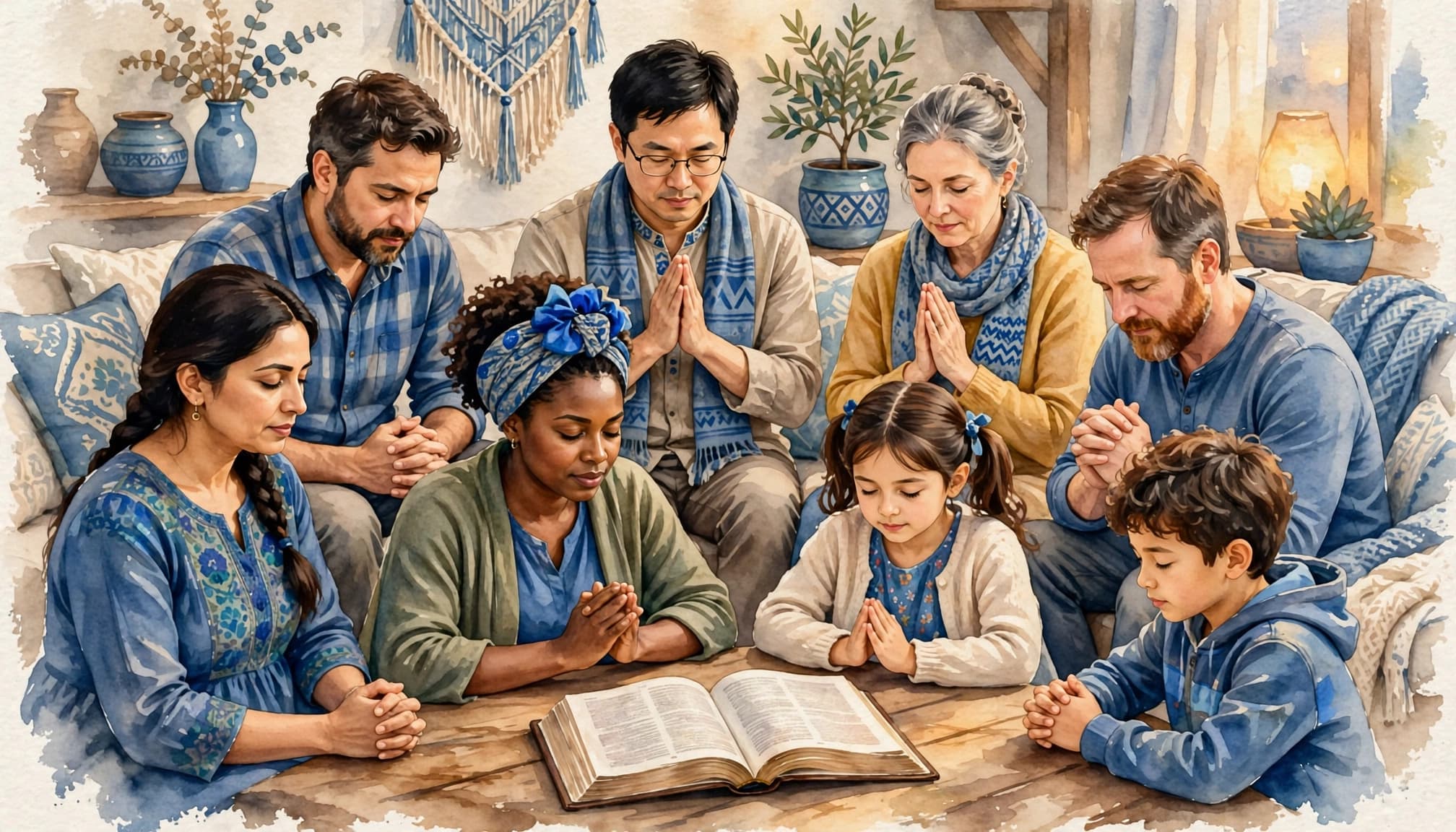
Shared devotion, not casual company
A meal, a game night, or a kind conversation can strengthen friendships. However, biblical fellowship has a clear spiritual center. The word koinonia points to this shared life, rooted in remembering Christ, learning Scripture, praying honestly, and encouraging faithful living.
I appreciate ordinary moments in a church family because they make room for deeper conversations. A parent can ask for prayer. A single adult can admit loneliness. Someone facing temptation can receive truth without being pushed into shame.
A life members share
Fellowship also includes practical care. The early church shared meals and resources, showing that faith affected daily decisions. This does not require every believer to have the same income, schedule, personality, or role.
Instead, the body of Christ makes room for people to serve with what they have. One person may listen well, while another cooks a meal, watches children, visits someone who is ill, or prays faithfully.
Why Meeting Together Matters
Private prayer and personal Bible reading matter. Yet the New Testament does not describe discipleship as a solo effort. This shared life, often called koinonia, takes shape through biblical fellowship and mutual encouragement.
God uses other believers to strengthen faith and expose blind spots.
Encouragement protects the heart
Hebrews 10:25 tells Christians not to abandon gathering and to encourage one another. That makes gathered encouragement a spiritual necessity, without prescribing one exact meeting schedule. Regular presence matters in a Christian community because encouragement often comes through simple, repeated contact.
A worship service gives the church community a shared rhythm of prayer and worship, teaching, and praise. Smaller gatherings offer more room to talk, ask questions, and be known. Together, these settings support spiritual growth when life feels full or discouraging.
Accountability should be gracious
Mutual accountability is not control, public embarrassment, or pressure to reveal every detail. Healthy spiritual accountability grows through authentic relationships, where a trustworthy believer can ask direct questions, pray, and point you back to Christ.
Fellowship becomes trustworthy when truth and compassion stay together.
When serious sin, abuse, addiction, depression, or danger is involved, seek qualified pastoral and professional help. A friend or mentor can offer support, but should never demand secrecy or replace appropriate care.
Building Christian Fellowship Today
Authentic relationships rarely happen by accident. Digital messages can help you stay in touch, but a local church provides space for face-to-face prayer, shared responsibility, and patient care.

Start with a repeatable rhythm
I recommend choosing a modest pattern you can sustain. Set aside 10 to 15 minutes on four weekdays for Scripture and prayer. Then attend one Sunday service for worship and prayer, plus one small group, class, care groups gathering, or mentoring conversation when possible.
During the week, have one meaningful spiritual conversation with a family member, friend, or coworker. This rhythm supports spiritual growth, but it’s a guardrail, not a law. If a week falls apart, begin again.
Move from attendance to participation
Introduce yourself after worship, learn a few names, and follow through when someone asks how you are doing. Families can pray briefly around the dinner table and practice honest apologies. Singles can build intentional friendships instead of waiting for community to appear.
If you want prayer or help finding a place to connect, contact Praise Chapel. You can also call Praise Chapel at (281) 338-6633 and ask about worship, ministries, or pastoral support in the Webster and Houston area.
Unity Without Pretending to Agree on Everything
Church unity does not require identical opinions on every secondary question. Christians should hold firmly to the gospel, Scripture, and obedience to Christ, while following biblical principles of patience, truth, and love. In a Christian community, shared life matters more than uniformity. Believers remain united by a shared mission that serves the kingdom mission.
The way a local church structures itself or handles secondary questions may reflect a broader ecclesial interpretation. A non-denominational church isn’t the only faithful model.
I have learned that listening protects authentic relationships from needless conflict. Speak truth plainly, practice mutual accountability, avoid gossip, and don’t let disagreement become a reason to withdraw from the church community. Love doesn’t erase conviction, but it changes how believers carry it.
Frequently Asked Questions
Is Christian fellowship the same as a social gathering?
Social gatherings can be enjoyable and meaningful, but Christian fellowship has a distinct purpose. Biblical fellowship reflects the New Testament term koinonia, describing shared life and participation among believers through Scripture, prayer, worship, care, and service.
Can online church replace in-person fellowship?
Livestreams and online sermons can support discipleship, especially during illness, travel, or limited mobility. Still, online content can’t fully replace the shared responsibility and personal encouragement that grow through consistent presence with other believers.
Fellowship Grows Through Faithful Presence
Christian fellowship is built through small, steady choices to show up, tell the truth, pray, and serve. In a Christian community, families, singles, and newcomers can be known without pretending they have life figured out. A faith community grows stronger as believers serve together in a shared mission and pursue spiritual growth.
When you return to Scripture, worship with others, and invite trusted believers into your real life, the church community becomes part of discipleship and points toward God’s kingdom mission. Ask God to help you take your place faithfully and serve alongside others with love.