


Proverbs is biblical wisdom literature. It presents wisdom as the skill of living faithfully under God, applying truth to specific situations for godly purposes. The Hebrew word chokhmah describes more than knowledge of facts.
I understand its central invitation as teachable trust: honor God, accept correction, and let truth shape your choices. That begins with understanding what Proverbs teaches about wisdom’s source.
Key Takeaways
- Wisdom begins with reverence for God and grows through instruction.
- Wise living affects your words, work, relationships, and financial choices.
- Proverbs teaches reliable patterns for life, not unconditional guarantees of success.
What wisdom in Proverbs means
Knowledge put into faithful action
Knowledge gives you information; wisdom helps you act faithfully with it. Someone can understand honesty yet choose deception when telling the truth becomes costly.
Proverbs 1:2-4 states the book’s teaching purpose: gaining wisdom and discipline, understanding insightful words, and giving prudence to the simple and knowledge and discretion to the young.
Here, the simple are inexperienced and easily influenced. A fool resists instruction for moral reasons, not because of limited intelligence. Proverbs 2:9 says discernment includes righteousness, justice, and equity, so wisdom guides right conduct as well as knowledge.
Proverbs 11:2 connects pride with disgrace and humility with wisdom. Proverbs 9:7-8 explains that a scorner resists advice and rejects correction.
The fear of the Lord
Proverbs 1:7 calls the fear of the Lord the beginning of knowledge; Proverbs 9:10 calls it the beginning of wisdom. Together, they place knowing God beneath sound judgment.
The fear of the Lord includes reverence, submission, and taking God’s holiness seriously. It means allowing his authority to correct your desires.
I encourage you to begin decisions with God’s character rather than your strongest feeling. Wisdom grows when you remain willing to hear something you didn’t want to hear.
How the book teaches wisdom
Following the book’s structure
The structure of Proverbs moves from extended instruction in chapters 1-9 to shorter sayings beginning at 10:1. The book combines instruction and sayings, a pattern found in wisdom literature.
Solomon’s main collection continues through 22:16. Proverbs 25:1 says Hezekiah’s men copied material attributed to Solomon. Not every part of the book should be attributed to Solomon alone.
Proverbs 22:17-24:22 contains the thirty sayings of the wise; chapters 25-29 preserve sayings copied under Hezekiah. Chapter 30 contains Agur’s sayings, while 31:1-9 records advice from King Lemuel’s mother.
Proverbs 2 has 22 verses, echoing the Hebrew alphabet’s 22 letters, arranged in six stanzas. Its alphabetic design differs from a conventional letter-by-letter acrostic. The chapter urges readers to seek understanding persistently because wisdom comes from the Lord.
Hearing Lady Wisdom’s call
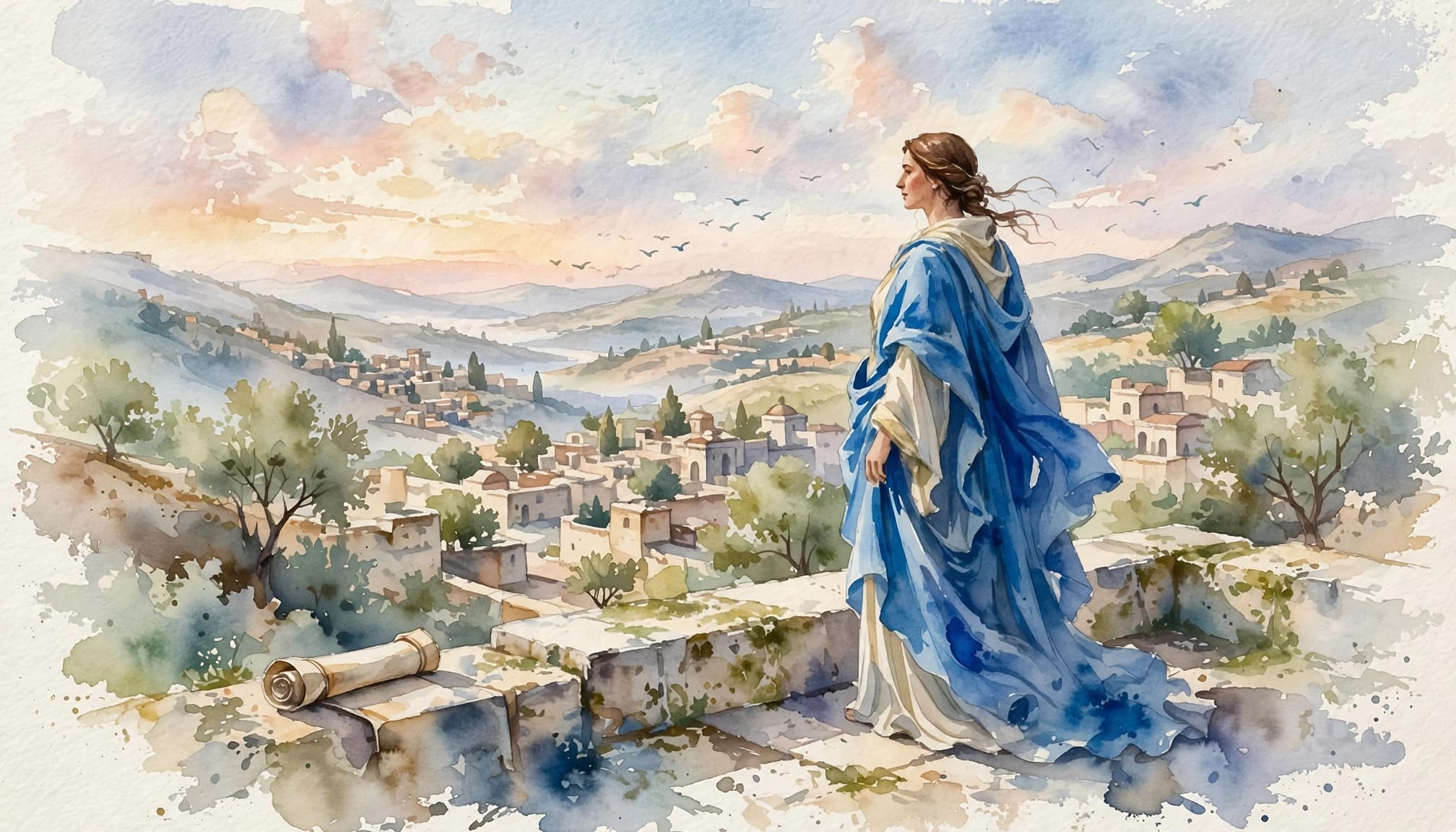
Proverbs 1-9 personifies wisdom and folly as women whose invitations lead toward different destinations. Lady Wisdom’s call offers a path toward life, while folly’s appealing invitation conceals danger.
In Proverbs 8:22-31, Lady Wisdom describes her presence before creation. Verses 22-23 poetically portray the Lord bringing her forth before his other works. Verse 15 connects wisdom with kings reigning and rulers administering justice.
Meanwhile, folly promises stolen water and secret food, but her invitation leads to death (9:17-18).
Christians also read Proverbs alongside 1 Corinthians 1:24, which calls Jesus Christ God’s wisdom. I keep that connection grounded in the poem’s personification rather than treating it as proof that Christ was created.
Putting Proverbs into daily practice
Receive correction before reacting
The book’s vocabulary emphasizes teachability. Tokhachath (reproof) appears 16 times in Proverbs and eight elsewhere in the Old Testament. Musar (instruction) appears 30 times here and 20 elsewhere. Reproof can be an act of care, and receiving it with humility can sharpen judgment.
Proverbs 14:15 warns against accepting everything you hear, while 15:1 shows how a gentle answer can guide the tongue and lower tension. Also, 16:28 warns that gossip separates close friends.
Before forwarding a claim or answering an upsetting message, examine the facts and your motives. I recommend making room for correction before defending your first reaction.
Handle work and money responsibly
Proverbs 14:23 connects hard work with profit and contrasts it with empty talk. For your household, that means attending to responsibilities rather than only discussing plans. Proverbs 6:6-11 points to the ant as a model of diligence and warns the sluggard against avoidable idleness. This warning isn’t a verdict on people facing hardship.
Yet financial gain isn’t wisdom’s highest measure. Proverbs 3:14 describes wisdom as more profitable than silver and yielding better returns than gold. Proverbs 16:16 likewise values wisdom above gold.
Proverbs 11:15 warns that guaranteeing another person’s debt brings serious risk. Judah’s pledge for Benjamin in Genesis 43:8-9 illustrates the weight of surety: he accepted personal responsibility for his brother’s return.
Before accepting financial obligations, understand what you’re promising and how it could affect those depending on you.
Reading wise sayings without misusing them
I read these sayings as general patterns of faithful living, not unconditional guarantees of wealth or freedom from suffering. Job’s story prevents that simplistic reading.
A proverb about diligence doesn’t authorize blaming every struggling person for laziness.
Also, separate biblical principles from personal preferences. Honesty governs a job decision; Scripture doesn’t name the employer you must choose.
When several options honor biblical values, gather facts, pray, and welcome counsel. A strong impression deserves examination, not automatic authority as God’s command.
Frequently Asked Questions
What does Proverbs 4:7 say?
One familiar NIV rendering reads: “Wisdom is supreme; therefore get wisdom. Though it cost all you have, get understanding.”
The emphasis is wholehearted pursuit. Wisdom deserves priority because it shapes how you use everything else, including possessions, influence, and opportunities.
How can someone grow in wisdom?
James 1:5 directs those who lack wisdom to ask God, who gives generously. Alongside prayer, receive instruction and practice what you learn.
I encourage you to choose one faithful response to a passage rather than collecting advice without acting.
Let wisdom shape the next decision
Wisdom in Proverbs grows through reverence and teachability. God’s truth should shape the way you respond when a conversation becomes tense or a financial decision becomes complicated.
You don’t need every future detail before taking a faithful step.
Acts 17:11 in the Amplified Bible describes people who eagerly received the message and examined Scripture each day. Consider what you can examine in Scripture today, and pray for help responding faithfully.
If you’d like prayer or pastoral support, call Praise Chapel at (281) 338-6633 or contact our church.