


What is the gospel? Many people have heard the word in church, songs, or Bible studies, yet they still wonder what it means. In simple terms, it is the good news of Jesus Christ saving sinners through His life, death, and resurrection.
To find a clear biblical definition of the gospel, we must look to Scripture rather than church traditions or religious slogans. The gospel tells you what God has done, why Jesus came, and how you can respond. It also answers what is the gospel’s meaning for everyday life by showing how faith in Christ changes the way you live.
Key Takeaways
- The gospel means “good news”: Jesus Christ died for sinners, was buried, and rose again to bring forgiveness, reconciliation, and eternal life.
- Every person needs the gospel because sin separates us from God, and no amount of good behavior or religious activity can remove our guilt.
- Jesus Christ is the center of the gospel. His sinless life, substitutionary death, bodily resurrection, and authority as Lord accomplish God’s saving work.
- We respond to the gospel through repentance and faith, receiving salvation by God’s grace rather than earning it through religious performance.
- The gospel transforms daily life by giving believers a new identity, the Holy Spirit’s help, lasting hope, and a message to share with others.
What Is the Gospel According to the Bible?
The word gospel means “good news.” In the New Testament, it describes the announcement that Jesus Christ came to save people from sin and bring them into a restored relationship with God. A theological overview of the gospel rooted in Christian theology also identifies Jesus’ saving death and resurrection as the heart of this message.
The gospel is not advice about becoming a better person. Advice tells you what you should do. News tells you what has already happened. The gospel begins with God’s action through Jesus Christ, then calls you to trust Him.
The apostle Paul gives one of the clearest summaries in 1 Corinthians 15:3-4. Christ’s death and resurrection are central to the gospel: He died for our sins, was buried, and rose again on the third day. These truths are not separate ideas. Together, they form the center of Christian faith.
Jesus’ death addresses the guilt of sin, while His resurrection shows that death did not defeat Him and that God’s saving work was complete. This death and resurrection mean forgiveness, reconciliation, and eternal life are offered to everyone who believes.
The gospel also announces that Jesus is Lord. He isn’t only a teacher who offers helpful principles. He is the Son of God, the promised Messiah, and the rightful King. He fulfilled the old testament law, introduced the kingdom of god, and offered forgiveness through His gospel message. His call invites people to receive His grace and follow Him.

Why the Gospel Is Necessary
The good news makes sense only when we understand the problem it addresses. Scripture says that every person has sinned and fallen short of God’s glory (Romans 3:23). Personal sin includes obvious wrongdoing, but it also reaches the heart. Pride, selfishness, unbelief, hatred, and resistance to God all separate us from Him.
I don’t explain sin as a way to shame people. The Bible presents it honestly because healing requires an honest diagnosis. A person cannot receive rescue while insisting that nothing is wrong.
Sin creates a debt we cannot pay through good behavior. Religious activity, charitable work, personal discipline, and sincere promises cannot erase guilt before a holy God. Romans 6:23 describes sin’s result as death, while also pointing to forgiveness of sins and eternal life through Jesus Christ.
That contrast is important. The gospel doesn’t say that people earn salvation by improving their record. It says God provides what people cannot provide for themselves. Romans 5:8 shows God’s love through Christ’s death for sinners, not for people who had already made themselves worthy.
God’s holiness means sin matters. God’s mercy means forgiveness is available. Through the cross of Christ and His substitutionary death, Jesus took the judgment our personal sin deserved so we might receive God’s grace, forgiveness, and peace with God.
Jesus Christ Is the Center of the Gospel
A gospel without Jesus Christ is only religious advice. The Bible’s message centers on who He is and what He accomplished.
Jesus entered human history, lived without sin, taught the gospel of the kingdom, healed the sick, welcomed outsiders, and showed compassion to people who were often ignored. Still, His mission reached its climax at the cross. He willingly gave His life for sinners.
The crucifixion was not an accident or a tragic ending to a good life. Jesus knowingly accepted the suffering that led to our redemption. His death dealt with sin’s penalty and opened the way for reconciliation with God.
Then Jesus rose from the dead. His bodily resurrection is essential to the gospel because it confirms Christ’s victory over sin and death, providing spiritual salvation and eternal salvation for all who believe in Jesus Christ. Paul wrote that if Christ had not been raised, Christian faith would be empty (1 Corinthians 15:17). The resurrection gives believers a living hope rather than a memory of a past teacher.
Jesus’ resurrection also confirms His authority. He is alive, reigning, and able to save those who come to God through Him. That promise gives the gospel power for a single parent, a married couple, a teenager, or anyone facing regret and uncertainty.
The gospel therefore includes both the cross and the death and resurrection of Jesus. He died for our sins, rose again, and now calls people to become His disciples. His work brings forgiveness, while His presence gives believers strength to live differently.
How Should You Respond to the Gospel?
Understanding what is the gospel is only the beginning. The Bible calls for a personal response. Jesus preached, “Repent and believe the good news” (Mark 1:15). This response involves both repentance and faith in Jesus Christ.
Repentance means turning away from sin and turning toward God. It includes a change of heart, direction, and loyalty. Repentance isn’t a promise that you will never fail again. It is an honest surrender that stops defending sin and asks God for mercy.
Faith means trusting Jesus Christ, not merely agreeing that He existed. This combination of repentance and faith means relying on His death and resurrection instead of your own goodness. You receive salvation as God’s gift, not as a reward for religious performance.
A response to the gospel includes:
- Admitting your need for God’s forgiveness.
- Trusting Jesus as Savior and Lord.
- Turning away from sin and following Christ.
- Receiving God’s grace by faith.
Ephesians 2:8-9 teaches that salvation comes by grace through faith. This truth reflects justification by faith and shows that salvation through Christ is God’s gracious rescue, not something anyone can earn or boast about. It gives hope to people who feel disqualified by their past, overwhelmed by present struggles, or unsure whether God would welcome them.
A simple prayer can express this response: “Jesus, I need Your forgiveness. I believe You died for my sins and rose again. I turn to You and receive You as my Savior and Lord. Help me follow You.”
The words themselves don’t earn salvation. God responds to genuine faith in Jesus Christ.
What the Gospel Changes in Daily Life
The gospel changes more than a person’s future. It changes identity, relationships, priorities, and hope today.
When I think about the gospel in daily life, I don’t reduce it to attending a service once a week. The good news of Jesus transforms the daily christian life, shaping how I handle conflict, make decisions, care for family, treat coworkers, and pursue social justice. Grace teaches me to stop hiding behind pride and to extend forgiveness to others.
For families, the gospel gives parents a foundation for teaching children about truth, mercy, prayer, and responsibility. It also gives family members a place to return when life becomes painful. A Christian home still faces stress, disagreements, and loss, but it doesn’t face them without God’s presence.
Singles also find their identity in Christ rather than in relationship status. The gospel says a person’s worth comes from God’s love, not from marriage, approval, achievement, or social attention. Jesus gives purpose and belonging in every season.
The Holy Spirit helps believers live out this new identity. Galatians 5 describes the fruit He produces, including love, joy, peace, patience, kindness, goodness, faithfulness, gentleness, and self-control. Through the Holy Spirit, believers are empowered to walk out their identity in the christian life, rooted in the forgiveness of sins as they remain close to Christ.
The gospel doesn’t promise a trouble-free life. It promises God’s forgiveness, presence, strength, and final victory. When fear, grief, or temptation appears, believers can return to what Christ has already done.
Why Christians Share the Gospel
The gospel is personal, but it was never meant to remain private. Jesus sent His followers to make disciples and share the good news of jesus with others (Matthew 28:19-20). Like the apostle paul, Christians proclaim the gospel message while demonstrating the kingdom of god through compassionate service and a commitment to social justice.
Sharing the gospel doesn’t require a perfect personality or advanced Bible training. It begins with a clear explanation of what Jesus has done and an honest account of how His grace is changing you. I can tell someone that God created us, sin separated us from Him, Jesus died and rose again, and salvation through christ comes through faith in Him. This gospel message is the good news of jesus, offering forgiveness and new life to everyone who believes.
A faithful witness also listens. People carry questions about suffering, hypocrisy, guilt, family pain, and whether God can forgive them. Christians should answer with biblical truth and patient compassion. Winning an argument isn’t the same as helping someone see Christ.
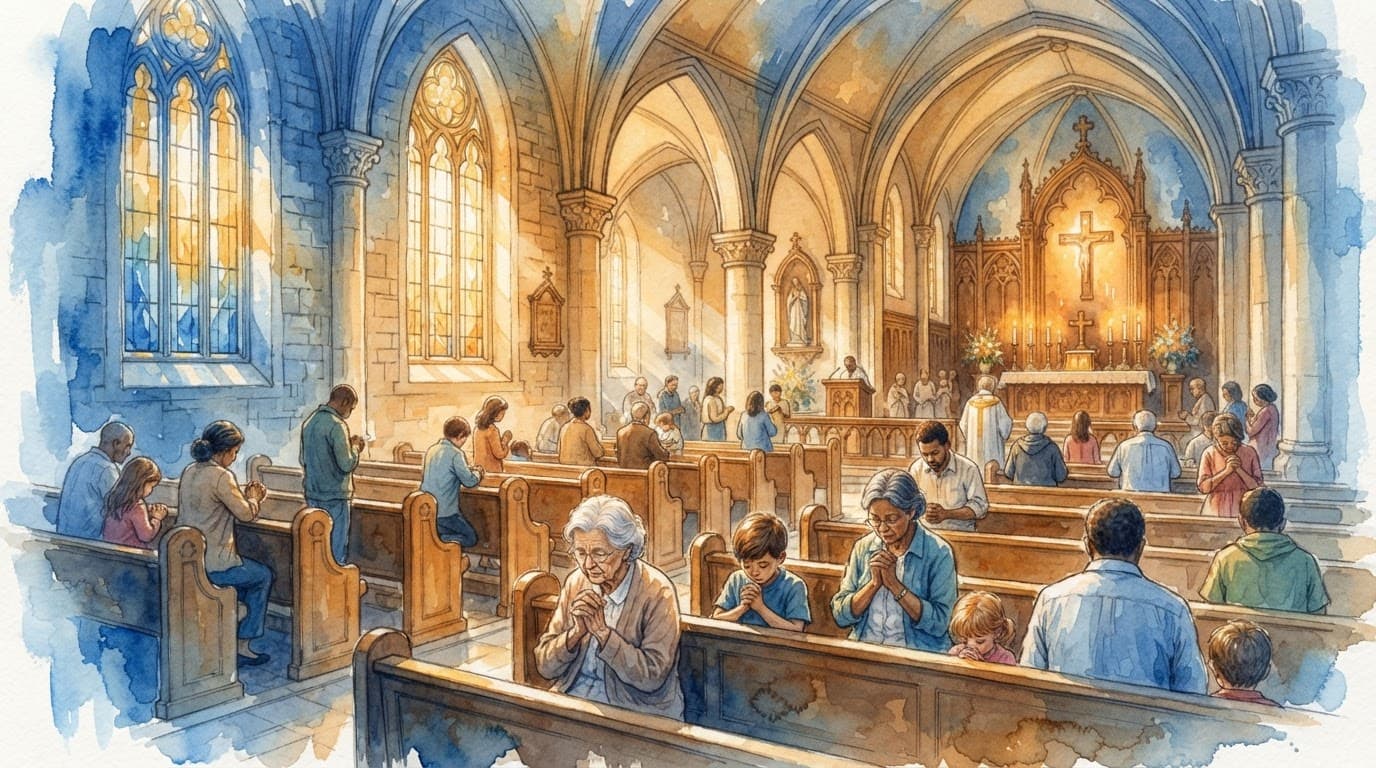
Church community gives believers a place to hear the gospel, worship together, pray, serve, and grow. Praise Chapel in Webster welcomes families, singles, children, teens, and people from many backgrounds. If you need prayer or want to ask questions about faith, you can contact Praise Chapel and connect with the church team.
Frequently Asked Questions
What is the gospel in simple terms?
The gospel is the good news that Jesus Christ came to save sinners. He died for our sins, rose from the dead, and offers forgiveness and new life to everyone who trusts in Him.
Why is Jesus’ death important to the gospel?
Jesus’ death dealt with the guilt and penalty of sin, opening the way for reconciliation with God. Through His substitutionary death, God offers grace and forgiveness to those who believe.
Why is the resurrection essential to the gospel?
The resurrection confirms that Jesus defeated sin and death and that God’s saving work was complete. It also shows that Jesus is alive, reigning, and able to save those who come to God through Him.
How should a person respond to the gospel?
The Bible calls people to repent of sin and place their faith in Jesus Christ as Savior and Lord. Salvation is received by grace through faith, not earned through good works or religious performance.
How does the gospel change daily life?
The gospel gives believers a new identity, hope, forgiveness, and the presence of the Holy Spirit. It shapes relationships, decisions, priorities, and the way Christians serve and share God’s love with others.
The Gospel Offers Grace and New Life
What is the gospel? It is the good news of jesus, God’s rescue through Jesus Christ. It explains the seriousness of sin, the forgiveness of sins made possible through the cross, the victory revealed through the resurrection, and the invitation to respond with repentance and faith.
I return to this message because it gives a steady foundation when circumstances change. My hope doesn’t rest on personal success or a spotless past. It rests on Jesus, who died for sinners, rose again, and offers eternal life to those who trust Him.
If you want to talk with someone, request prayer, or learn more about following Christ, call Praise Chapel at (281) 338-6633. The gospel begins with God’s grace, and that grace welcomes you to come to Jesus today.