


Temptation often arrives when you’re tired, lonely, angry, or alone with easy access to triggers. Those moments can give the spiritual enemy an opening. Scripture joins spiritual strength with practical wisdom, helping you prepare before pressure reaches its peak.
I’ve learned that the strongest decisions usually happen before the struggle begins, when you identify your areas of weakness and pre-decide a response. Fill your mind with Scripture for mental focus, set clear boundaries, and stay connected to other believers. This personal battle plan rests on faith in God, not depleted energy.
Temptation and Sin Are Not the Same
Jesus understands temptation
Being tempted doesn’t mean you’ve already failed God. Hebrews 4:15 teaches that Jesus was tempted in every way, yet He remained without sin. The pressure itself isn’t the same as agreeing with it.
That distinction matters because shame can make you hide. The spiritual enemy may use accusation and shame to pull you away from prayer and Christian community. I remind myself that temptation is a call to turn toward God, not a reason to run from Him.
James 1:13-15 also explains that God doesn’t tempt people toward evil. Desire becomes dangerous when we welcome it, feed it, and repeatedly act on it, forming bad habits that can direct our choices. This commentary on James 1:13-15 offers helpful context for understanding how temptation progresses toward sin.
The first response shapes the next one
Temptation often begins with a thought, image, memory, conversation, or opportunity. You may not control the first thought or trigger that appears, but you can pre-decide to turn away instead of negotiating with it.
A quick turn is usually easier than a late escape. Prayer, Scripture, a change of location, or a phone call can provide a timely way out before the pattern gains momentum. The goal isn’t to debate temptation for an hour. The goal is to answer it early.
Why Willpower Alone Breaks Down
Willpower alone is unreliable when pressure is high and familiar patterns are already active. The spiritual enemy can exploit familiar cues, but neuroscience isn’t a substitute for theology; it helps explain why wise Christian obedience must shape our habits.
Cravings become stronger through repetition
Repeated choices train your attention and behavior. When you give in to a craving, your brain links a cue to a familiar response and its temporary reward. Over time, cravings can create anticipation before you consciously choose what to do.
That pattern can involve food, pornography, anger, gossip, alcohol, spending, or other bad habits. Following the same path repeatedly makes it feel automatic, while repeated exposure can make cravings harder to interrupt. However, these behavioral patterns can weaken through repeated obedience when a replacement response interrupts cravings.
I don’t treat a strong craving as proof that I must obey it. I treat it as evidence that a familiar pathway needs a different response. Each refusal gives the new response more room to grow.
People often overestimate their control
A 2009 study identified restraint bias, which is the tendency to overestimate our ability to use cognitive control over impulses. The research on restraint bias helps explain why someone may confidently stay close to a temptation, then make a different choice under pressure.
This is why statements such as “I can handle it” deserve careful examination. If a website, relationship, conversation, or environment repeatedly leads you into sin, confidence isn’t the same as wisdom. Pre-decide to avoid its trigger, rather than test your strength beside it or rely on impulse control.
Stress, hunger, poor sleep, and emotional fatigue can increase decision fatigue, making self-control harder. I still value discipline, but I don’t build my entire battle plan around willpower. I prepare my surroundings and routines so obedience remains possible when my energy is low.
How Scripture Helps You Resist Temptation
Store God’s Word in your mind
Ephesians 6:17 calls the Word of God the sword of the Spirit. Scripture gives the Holy Spirit truth to bring to mind when lies, fear, and desire compete for your attention.
Jesus answered Satan’s temptations in the wilderness with Scripture. He didn’t rely on a vague sense that He should be strong. He answered each distortion from the spiritual enemy with what God had already said.
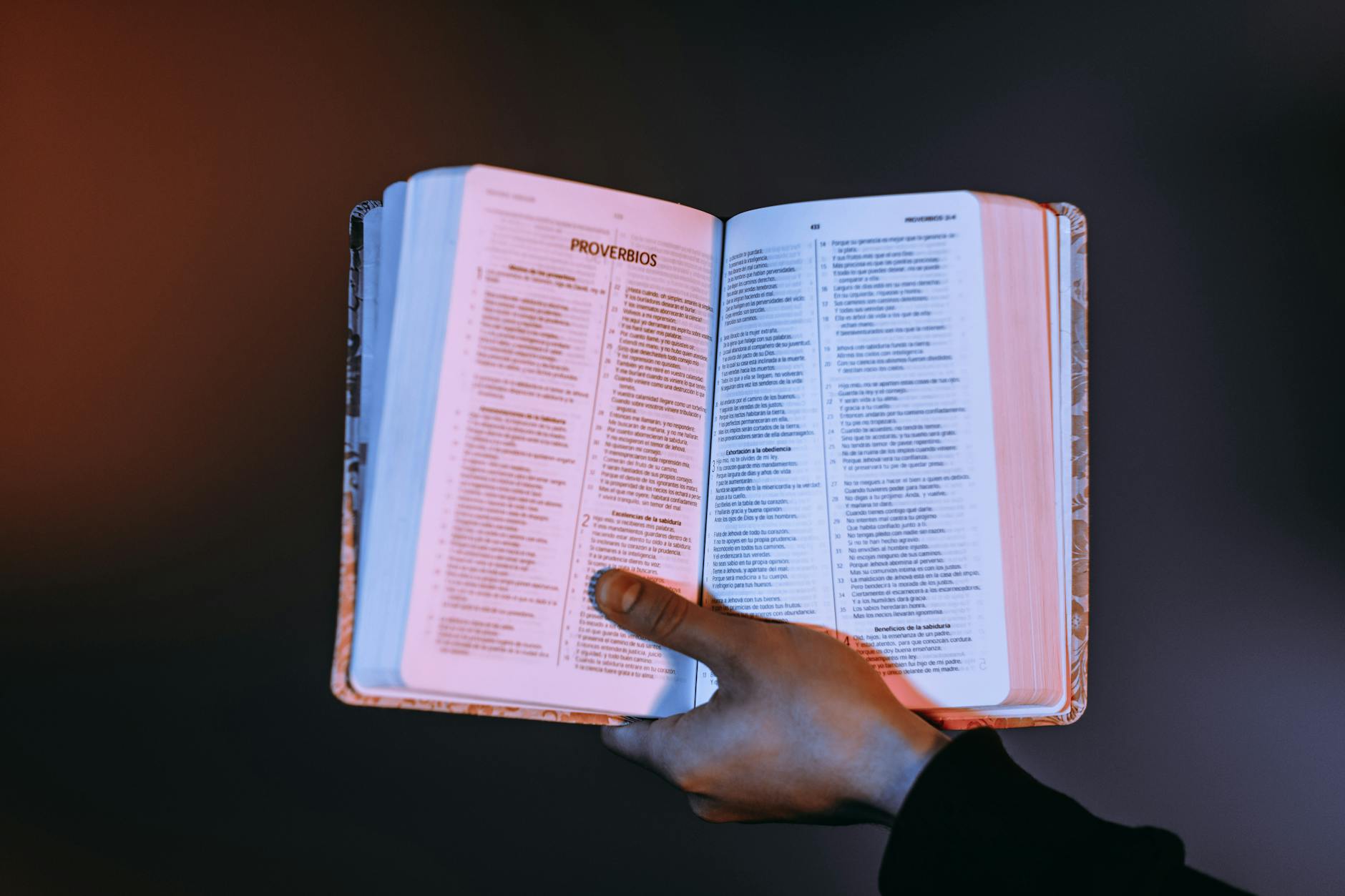
Photo by Luis Quintero
Choose verses that address your areas of temptation. Pre-decide which passage applies to each situation. For example:
- When you feel trapped, remember God’s promise in 1 Corinthians 10:13.
- When you face sexual temptation, meditate on the call to flee in 1 Corinthians 6:18.
- When anger rises, consider Proverbs 15:1 and its warning about a gentle answer.
- When fear or discouragement weakens you, return to 2 Timothy 1:7.
Reading one verse once may not prepare you for a difficult moment. I find it more helpful to read, repeat, pray, and apply a passage until its truth becomes familiar enough to redirect your cravings.
Depend on the Holy Spirit
Christian self-control is not self-sufficiency. Galatians 5:16 tells believers to walk by the Spirit instead of carrying out the desires of the flesh. The Holy Spirit is our Helper, Counselor, and source of strength.
That dependence can begin with a simple prayer: “Holy Spirit, show me what is happening in me, give me strength to obey, and help me choose the next right step.” Prayer doesn’t remove responsibility. It places responsibility in the right relationship with God.
The Spirit may remind you to leave a room, close an app, tell the truth, apologize, or contact someone. Those promptings may feel ordinary, but obedience often begins with one clear action.
Move Your Boundaries Away From Danger
Pre-decide before pressure arrives
To pre-decide means choosing your response before emotions take over. Joseph modeled this in Genesis 39. When Potiphar’s wife pursued him, Joseph refused the situation and eventually ran from the room. He didn’t remain nearby to prove how disciplined he was.
To pre-decide, write down your response to likely pressure. A personal battle plan might sound like this:
- “If a conversation becomes suggestive, I’ll end it.”
- “If I feel tempted to visit a certain website, I’ll put down the device and go where my family or roommate is present.”
- “If anger rises during a disagreement, I’ll pause and pray before answering.”
- “If a friend invites me into a harmful situation, I’ll leave instead of explaining myself repeatedly.”
Clear decisions reduce the number of choices you must make while tired. They also remove the negotiation that temptation prefers.
Create distance from repeated triggers
When you pre-decide how to respond to recurring triggers, healthy boundaries can limit access to a foothold the spiritual enemy might exploit. They may include content filters, different routes, separate finances, honest dating limits, scheduled meals, or removing private access to recurring cravings. These steps aren’t signs of weak faith; they’re wise responses to known areas of weakness.
For families, parents can set device rules that protect children while explaining the biblical reasons behind them. Married couples can agree on limits around friendships, entertainment, and private communication. Singles can ask trusted believers to help them maintain boundaries in dating and online relationships.
A boundary works best before desire becomes urgent. Once the pressure peaks, even a good plan can feel harder to follow.
First Corinthians 10:13 says God is faithful and provides a way out with temptation. Sometimes the answer is a verse or a prayer. At other times, it is a locked door, a changed schedule, a public setting, or the courage to walk away. Together, these choices form an escape plan that protects your boundaries when pressure rises.
Build Daily Habits That Support Obedience
Keep prayer and Scripture regular
A crisis-only faith leaves you trying to draw strength from an empty well. Daily prayer and Bible reading shape your thoughts, redirect cravings before they become choices, and prepare you for the day’s hardest moments.
I prefer a simple rhythm that I can repeat; new routines weaken bad habits instead of merely suppressing them, and they strengthen my prayer life. I pre-decide a repeatable time for prayer or Bible reading, write down one truth, and ask God how to practice it. A family might read a Psalm at breakfast. A single person might pray during a morning commute. The schedule can vary, but regular contact with God matters.
Worship also redirects attention. Praise reminds me that temptation is not the center of my story. God is worthy of my attention even when my feelings pull elsewhere, and these practices nurture steady spiritual growth.
Bring the struggle into the light
Accountability is not public humiliation. It is honest support from a mature Christian who will pray, ask direct questions, and point you back to grace and truth.
Choose someone trustworthy, discreet, and guided by sound moral convictions, and agree on boundaries around confidentiality, communication, or online support. Share recurring cravings, areas of weakness, and triggers, then pre-decide what you’ll disclose or do when one appears. Avoid choosing a person who only offers approval or someone who uses your confession as gossip.
If you need prayer or help finding a supportive church connection, you can request prayer support from Praise Chapel. Families and singles both need places where they can grow without pretending they never struggle.
What to Do When Temptation Hits
When pressure feels immediate, pre-decide the short response you’ll use instead of solving your entire life in that moment.
- Name the temptation honestly. Identify the cravings behind it and say, “I’m being tempted to…” Avoid vague thoughts that let the desire stay hidden.
- Pray immediately. Ask the Holy Spirit for strength and clarity. Repeat a verse connected to the struggle.
- Change your setting. Stand up, leave the room, put down the phone, or move near other people.
- Contact someone. Pre-decide whom you’ll contact instead of staying isolated. A brief message such as “Please pray for me right now” can break isolation.
- Choose the next obedient action. You may not know how you’ll feel in an hour, but you can make a faithful choice in the next minute.
If you fail, confess it to God without excuses and receive His forgiveness through Jesus Christ. Then examine what led to the fall. Was the trigger predictable? Did exhaustion lower your guard? Did you ignore an earlier warning? Repentance includes turning back to God and changing the pattern that made the failure easier.
The spiritual enemy may use shame to keep you hiding, but repentance brings you back into truth and change.
Frequently Asked Questions
Is temptation itself a sin?
Being tempted does not mean you have already sinned. Sin begins when you welcome, feed, or act on the temptation instead of turning toward God.
What should I do when temptation hits?
Pray immediately, name the temptation honestly, and change your setting if possible. Repeat a relevant Scripture verse, contact a trusted believer, and choose the next obedient action.
How can I prepare before temptation arrives?
Pre-decide your response to likely triggers and create boundaries that move you away from danger. Regular prayer, Scripture, wise routines, and accountability can help you obey when your energy is low.
What if I give in to temptation?
Confess your sin to God without excuses and receive His forgiveness through Jesus Christ. Then examine the trigger and change the pattern that made the fall easier, rather than hiding in shame.
Does resisting temptation depend only on willpower?
No. Christian self-control depends on the Holy Spirit while also using practical wisdom, clear boundaries, and support from other believers. God provides strength and a way out, but we must choose to take that way.
Conclusion
To resist temptation according to Scripture, depend on God while making wise choices before pressure arrives. Fill your mind with Scripture, follow God’s guidance, move away from known triggers, and invite trustworthy believers into the struggle.
I’ve found that daily victory rarely comes through one dramatic act of resolve. It grows through small decisions that keep turning my attention toward Jesus. I can pre-decide to make those choices before the next pressure point. When temptation comes, remember that God is faithful, and the next obedient step is already within reach.
For prayer, guidance, or connection with Praise Chapel, call (281) 338-6633.