

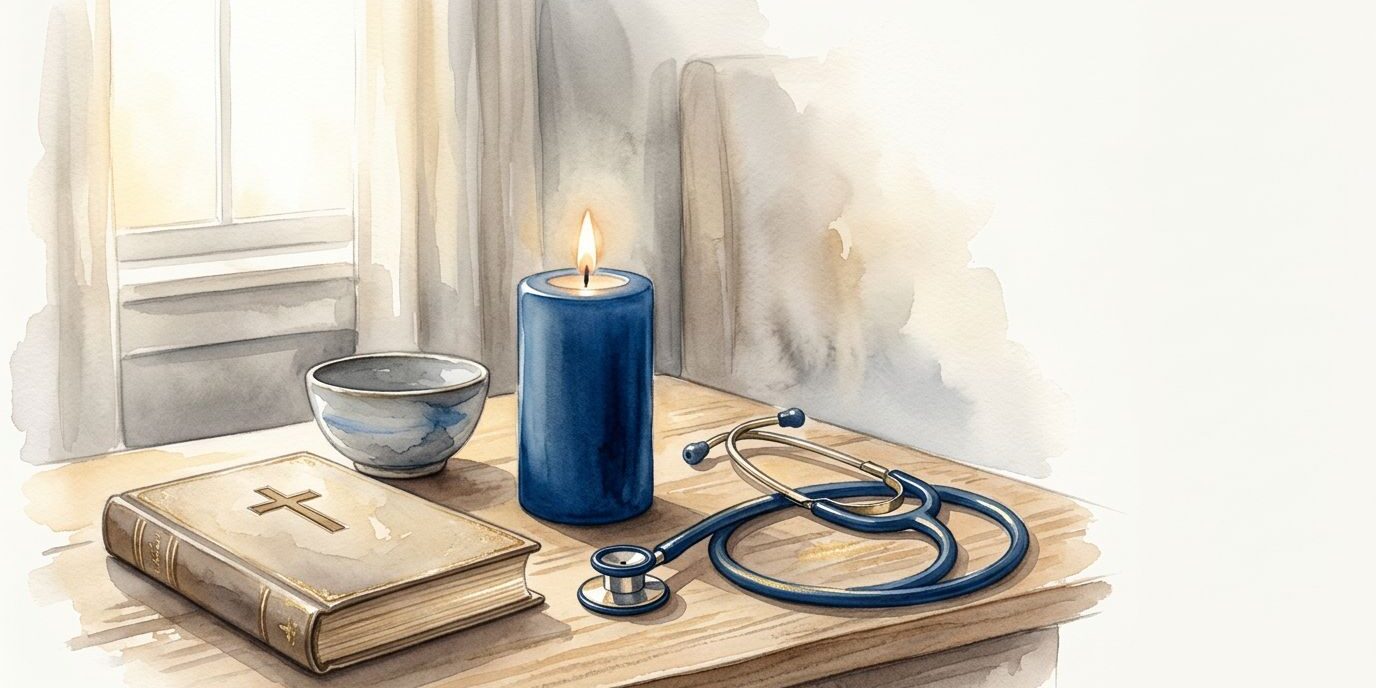
Few questions carry more weight than questions about faith healing when someone you love is sick. You may pray with confidence, hope for divine intervention, seek medical care, and still wonder why the answer hasn’t come.
A biblical perspective makes room for bold faith, honest grief, wise care, and unanswered questions. Religious faith and practical medical care can coexist. I don’t believe Scripture tells you to blame yourself for illness. Instead, it invites you to bring your whole life to Jesus while trusting God with the outcome.
What Healing and Faith Mean in the Bible
The Bible presents God as compassionate toward suffering. Jesus’ healing ministry included people with leprosy, paralysis, fever, blindness, and many other conditions. These miracles show His authority and mercy, but Scripture also includes faithful people who remained weak, sick, or burdened.
Some people call this faith healing today, but biblical faith isn’t a formula that guarantees a particular result. Faith trusts God’s character, brings needs to Him, and continues following Him when circumstances remain painful. The relationship between faith and healing is biblical, but religious faith doesn’t treat healing as a measure of spiritual worth.
Faith rests on a person, not a formula
Faith has an object. Christian faith rests on God and His promises, not on the strength of your emotions or the perfect wording of a prayer.
A person can feel afraid and still pray in faith. Someone can have unanswered questions and still believe that Jesus is good. I encourage people to stop measuring faith by the intensity of their feelings. Faith may look like confident prayer one day and a whispered plea the next.
Healing includes the whole person
Physical healing matters, but the Bible uses healing language for forgiveness, restoration, reconciliation, and spiritual healing. Jesus sometimes addressed sin and the body together, as in Mark 2, where He forgave a paralyzed man’s sins, then healed him.
The New Testament points toward resurrection as the final answer to death and bodily decay. It also points to eternal life as the believer’s future hope. A helpful collection of passages, including James 5 and Isaiah 53, appears in these Bible verses about healing.
The Centurion’s Faith in Matthew 8
Matthew 8 gives one of the clearest pictures of faith and healing in the Bible. A Roman centurion approached Jesus because his servant lay paralyzed and suffered terribly. The centurion didn’t claim personal worthiness. Instead, he trusted that Jesus could heal with a command.
He compared Jesus’ authority to his own military authority. As a man under command, he understood that an order from someone with authority could produce an immediate result. He believed Jesus’ word carried even greater power.
Jesus praised this faith and brought about the servant’s miraculous healing from a distance. This act of divine intervention showed Christ’s authority over illness. The centurion’s confidence rested in Jesus’ word, not in a ritual, location, personal worthiness, or spiritual performance.
This account is often used in discussions of faith healing. Yet its central lesson remains the authority of Christ:
Faith brings you to Jesus, but it doesn’t put you in control of Jesus.
The account also shows that faith can intercede for someone else. The sick servant may not have been able to speak, travel, or pray publicly. His need reached Jesus through another person’s concern.
Still, Matthew 8 doesn’t promise that every prayer will receive the same timing or visible result. It shows that Jesus is willing and able to heal, without specifying God’s timing for every case. It also teaches humility, compassion, and trust in His word.
Does Isaiah 53 Promise Physical Healing?
Isaiah 53 is central to Christian discussions about divine healing and faith healing. The passage describes the suffering servant, who bears grief, pain, sin, and punishment on behalf of others.
Why Isaiah 53 includes physical suffering
Isaiah 53:4 speaks of the servant carrying human griefs and sorrows. It presents suffering as part of what the servant bears for others.
Matthew 8:17 connects this passage with Jesus’ ministry of healing. It does so after describing His care for the sick and oppressed.
That connection matters. Jesus’ healing ministry wasn’t separate from His saving mission. His miracles revealed the compassion and authority of the Messiah. They showed divine intervention as God’s kingdom entered human suffering.
The passage therefore gives Christians a strong reason to pray for physical healing. Pain doesn’t make you unworthy of God’s attention.
Why the passage isn’t a guarantee of immediate healing
The New Testament also applies Isaiah 53 to spiritual redemption. In 1 Peter 2:24, the passage emphasizes Christ carrying our sins so believers can live in righteousness. This points to spiritual healing, not simply relief from bodily illness.
Because of these references, Christian theology includes a legitimate disagreement about how the promise applies. Word of Faith teachers often argue that the Atonement of Christ includes present bodily healing for every believer. Other theologians believe Christ secured healing in principle, while its complete fulfillment arrives with resurrection.
I believe the passage lets you ask boldly without turning a delayed answer into a verdict against faith. The faith healing debate often turns on whether Isaiah points to present recovery or resurrection hope. Isaiah 53 points to Christ’s complete work, but it doesn’t give you permission to condemn yourself or another believer for remaining ill. Crossway’s overview of healing passages offers additional context for these texts.
Prayer of Faith, Laying on of Hands, and Medical Care
James 5:14-16 presents faith healing prayer as a shared act of care. It tells a sick person to call church elders, ask them to pray, and receive anointing with oil in the Lord’s name. Churches may also include laying on of hands when the person welcomes it.
In pastoral practice, laying on of hands should be offered with clear consent and appropriate safeguards. It should never become a test that a suffering person must pass.
Prayer should be honest and expectant
James uses the phrase “prayer of faith,” which has led to different interpretations. At minimum, it describes prayer that takes God seriously and trusts Him to act. It doesn’t require you to pretend that symptoms aren’t real.
An honest, expectant prayer of faith can name fear while asking God for healing. You can pray for a miracle while receiving treatment. You can ask God to guide doctors, strengthen your family, and give you peace during a long recovery.
The Bible also includes lament. The Psalms contain prayers that express confusion, sorrow, and longing. Honest prayer is still prayer when it includes tears.
Medical care can belong beside spiritual care
A biblical view of faith and healing also makes room for practical care. Scripture doesn’t present physicians as enemies of faith. Luke is identified as a physician, and Paul gave Timothy practical advice for recurring stomach problems. In another passage, Paul mentions leaving Trophimus sick in Miletus.
These details don’t reduce God’s power. They show that the New Testament doesn’t require believers to reject ordinary care. Modern medicine, surgery, counseling, rehabilitation, and rest can all be part of God’s provision.
Please don’t stop prescribed medication or delay emergency care because someone claims faith healing requires refusing treatment. Prayer and medical intervention can work together without competing for God’s place.
Paul’s Thorn in the Flesh and Unanswered Prayer
Paul’s thorn in the flesh appears in 2 Corinthians 12:7-10. The passage says Paul pleaded with the Lord three times for its removal. God answered by assuring him that divine grace was sufficient and that God’s power was displayed through weakness.
The passage doesn’t identify the thorn
The text never clearly names Paul’s condition. Some interpreters connect it to illness, persecution, temptation, or another persistent burden. Since Scripture doesn’t settle the question, I avoid claiming that Paul’s thorn was definitely one specific disease.
The important point is clear: Paul prayed for removal, but God gave sustaining grace instead. Paul’s apostleship and faith weren’t disproved by the continued struggle.
Unanswered prayer doesn’t prove weak faith
Persistent illness can create emotional exhaustion. You may feel guilty for growing discouraged, especially when some faith healing claims suggest that stronger faith would produce healing.
That accusation adds pain without offering biblical comfort. Job’s suffering wasn’t explained by hidden personal failure, and Jesus welcomed people who came to Him in distress. The presence of sickness isn’t reliable evidence of spiritual failure.
When healing hasn’t come, keep asking God for strength, wisdom, and honest companionship. Give yourself permission to grieve. Faith doesn’t erase sorrow; it gives sorrow a place to go.
Word of Faith and Conservative Christian Readings
Christians agree that God can heal, yet Christian theology includes different views of divine healing in the present age. Understanding those differences can help you avoid confusion and unnecessary shame.
The Word of Faith argument
Ministers who emphasize faith healing commonly point to Isaiah 53, Matthew 8:17, 1 Peter 2:24, James 5, and Jesus’ teaching about believing prayer. They often argue that Christ’s atonement includes physical healing and that believers may expect miraculous healing through faith.
Many also teach that Christians can speak God’s promises, resist sickness, and pray with authority because Jesus gave authority to His followers. This tradition has influenced healing services and public prayer practices, including laying on of hands, as well as televised ministries and large revival meetings.
During the twentieth century, evangelists such as Oral Roberts and Kathryn Kuhlman brought healing prayer to large audiences through public campaigns and television. Pentecostal and charismatic movements helped make healing ministry a major part of some modern Christian worship, often emphasizing divine intervention.
These teachings can encourage people to pray with confidence. However, they can also cause harm when leaders imply that every ongoing illness results from unbelief or disobedience.
The conservative Christian argument
Conservative theologians often emphasize God’s sovereign will and the Bible’s examples of faithful suffering. They point to Paul’s thorn in the flesh and Epaphroditus’s serious illness in Philippians 2. They also cite Trophimus’s sickness in 2 Timothy 4:20, within the New Testament witness.
This view doesn’t deny miracles or spiritual gifts. It says God distributes them as He chooses. God’s will may involve healing now, sustaining someone through illness, or completing healing after death.
Both perspectives appeal to scriptural authority, yet either can become unhelpful when it silences Scripture’s full witness. Faith healing can encourage bold prayer, but Christians shouldn’t promise that every illness will end immediately. They should also honor the hope of resurrection without treating present suffering as meaningless.
Science, Testimony, and Wise Care
Christians don’t need to fear honest medical questions. A testimony about faith healing may be sincere and moving, but it isn’t, by itself, evidence that supernatural healing caused the recovery.
A medical and scientific review of prayer discusses possible effects of prayer, including questions related to the placebo effect, while noting the difficulty of measuring spiritual claims through clinical research. You can read this medical perspective on prayer and healing for a balanced discussion.
Reported healing has more than one possible explanation
Improvement may follow treatment, natural recovery, spontaneous remission, a corrected diagnosis, reduced stress, social support, or changes in behavior. Expectation and the placebo effect can also influence how a person experiences pain and other symptoms. Research on placebo effects in religious practices explores part of that question.
These possibilities don’t prove that every testimony is false. Within a religious faith community, testimony can express gratitude and encouragement, but the placebo effect doesn’t mean symptoms are imaginary or prove a spiritual cause. Sincere reports still require careful evaluation because they don’t, by themselves, establish divine intervention.
Faith should protect people from harm
A wise Christian response includes prayer, informed consent, compassion, and qualified medical care. Appropriate medical intervention may be necessary, and modern medicine offers valuable tools for diagnosis and treatment.
Seek a second opinion when appropriate. Ask what a treatment does, what risks it carries, and what alternatives exist.
Spiritual support can help people endure illness, but it should never replace professional care. No pastor, evangelist, or friend should shame you for following medical advice.
Living Faithfully With Chronic Illness
Healing and faith become easier to discuss when churches make room for both hope and reality. Churches discussing faith healing must make room for the reality of long-term symptoms. A person with chronic pain needs more than a promise that the next prayer will end everything.
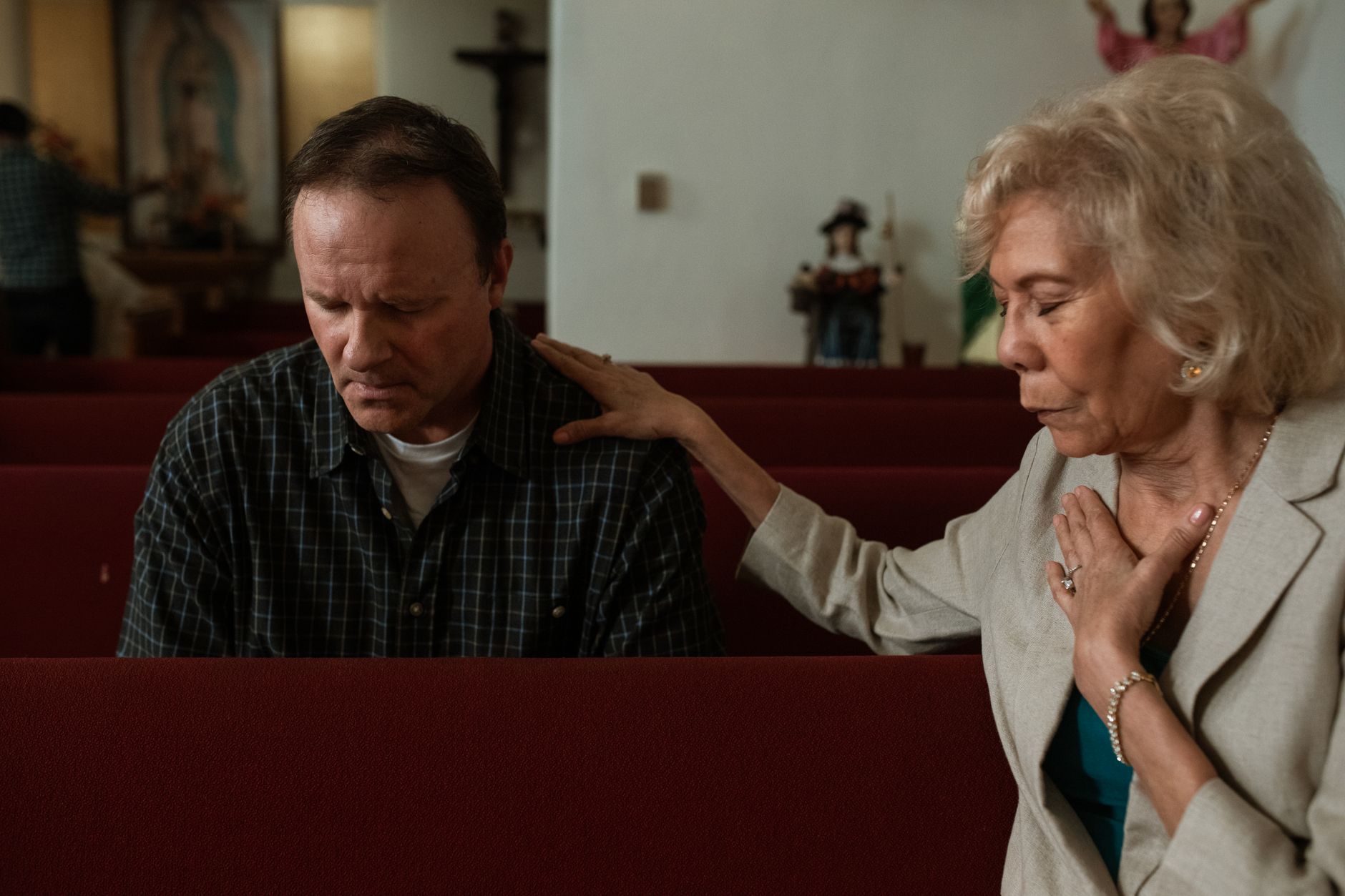
Photo by RDNE Stock project
A steady pattern for difficult seasons
I encourage you to build a simple rhythm that honors your body and your faith. Any laying on of hands should be voluntary, supervised, and never presented as a guarantee.
- Bring specific requests to God, including symptoms, fears, and practical needs.
- Follow a qualified treatment plan, including modern medicine when appropriate, instead of treating care as spiritual compromise.
- Ask trusted believers to pray without demanding a particular outcome.
- Record small signs of grace, such as a good conversation, needed rest, or strength for the day.
- Tell your church what help would make life more manageable.
That help may include meals, transportation, childcare, financial support, or a quiet visit. People living with chronic illness may also need intentional companionship when appointments and symptoms become isolating. Families need practical care, and singles may need steady support during difficult seasons.
A church community should carry burdens
A healthy church’s healing ministry can include prayer for faith healing without making guarantees. It welcomes people who are still waiting, still hurting, or still asking difficult questions. It can pray for healing while supporting wise medical care.
Praise Chapel in Webster, Texas, offers prayer and community for people seeking biblical encouragement. You can request prayer from Praise Chapel or call Praise Chapel at (281) 388-6633.
Frequently Asked Questions
Does faith guarantee physical healing?
No. The Bible encourages bold prayer for healing but does not make immediate recovery a measure of spiritual faith or worth.
Can Christians pray for healing and seek medical care?
Yes. Prayer and medical care can work together, and Scripture does not require believers to reject physicians, treatment, or rehabilitation.
What should I do when healing does not come?
Continue bringing your pain and requests to God while seeking wise care and support from trusted people. Unanswered prayer does not prove weak faith, and God can provide sustaining grace through a long illness.
Is laying on of hands required for healing prayer?
Laying on of hands may be a meaningful practice when the person gives clear consent, but it is not a test of faith or a guarantee of healing. Prayer should always be offered with compassion, appropriate safeguards, and respect for medical guidance.
Conclusion
The Bible’s teaching on faith healing gives you permission to pray for physical healing with confidence. It also shows that faithful people may wait, suffer, or receive grace without an immediate cure.
The centurion teaches trust in Jesus’ authority, and Isaiah points to Christ’s saving work and spiritual healing. James calls the church to the prayer of faith, while Paul reminds us that weakness doesn’t cancel God’s presence. Faith and healing can coexist with wise care, including medical intervention; illness doesn’t make you a failed believer.
Faith keeps turning toward Jesus, whether healing comes through a miracle, treatment, community care, or resurrection hope and eternal life.